 yuyr
59a38513a4
yuyr
59a38513a4
测试方案: - lm2机器端口映射到本机:18080, 18081, 8082-8085 - 访问URL: http://localhost:18080/dashboard 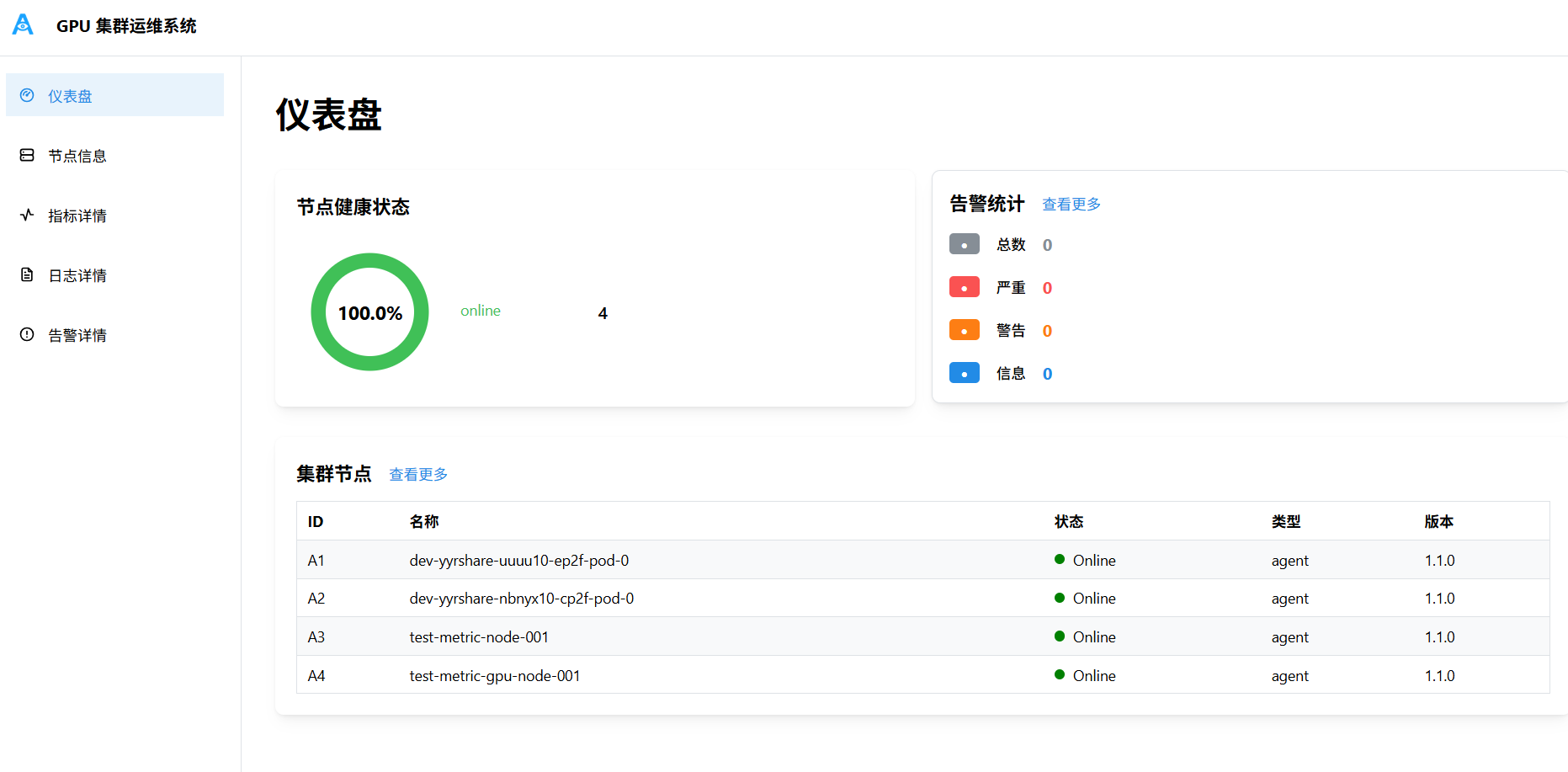 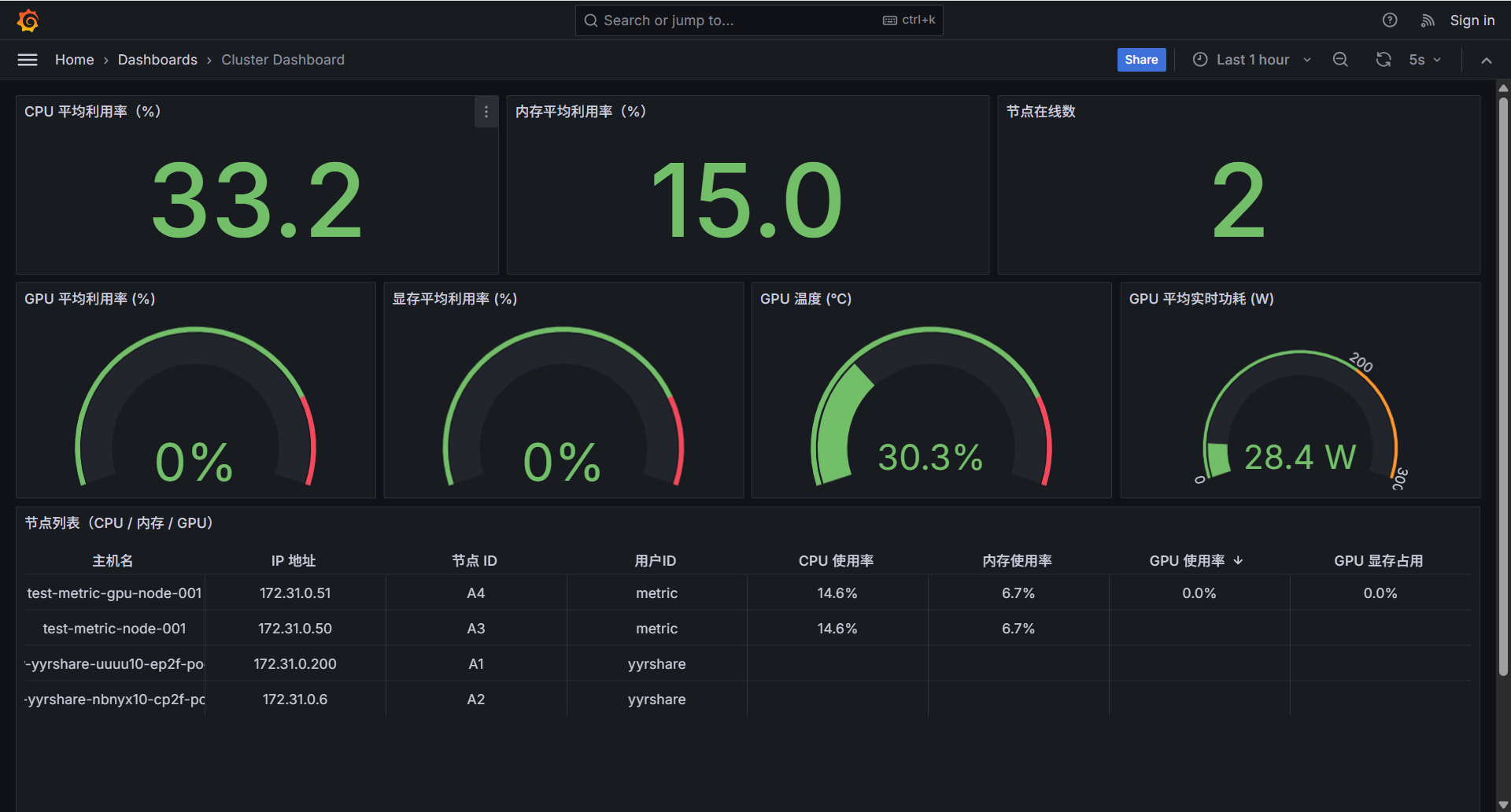 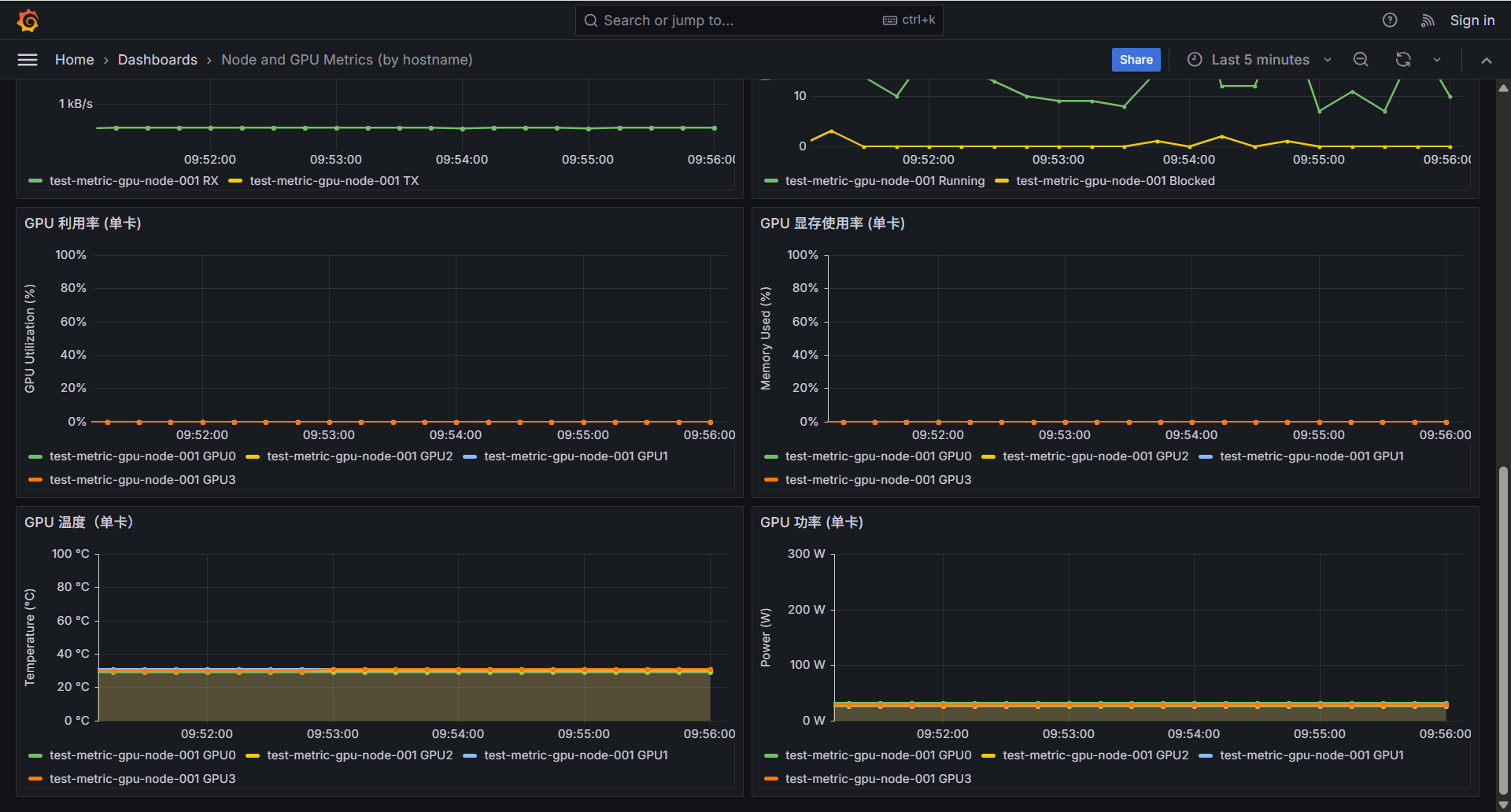 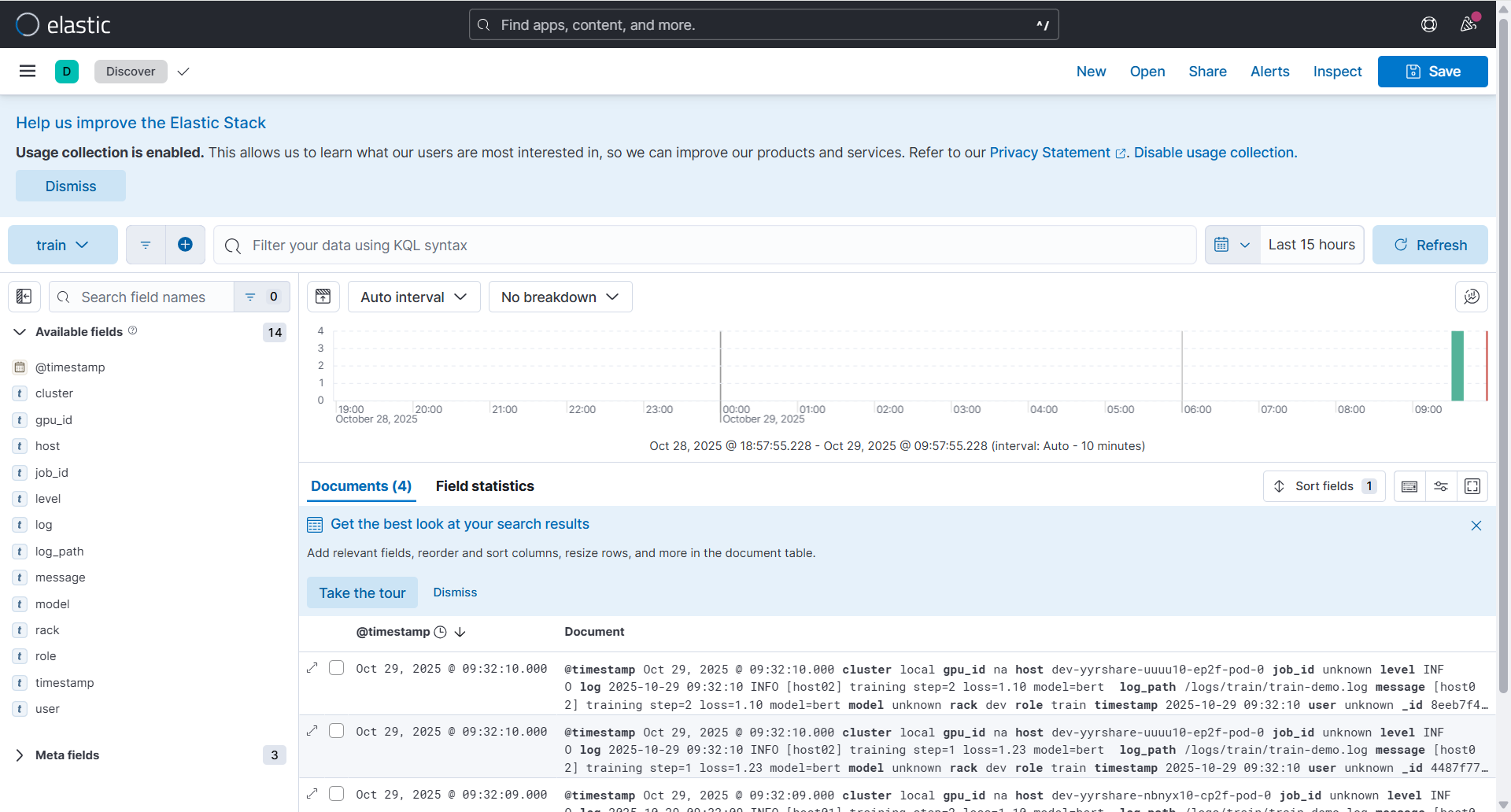 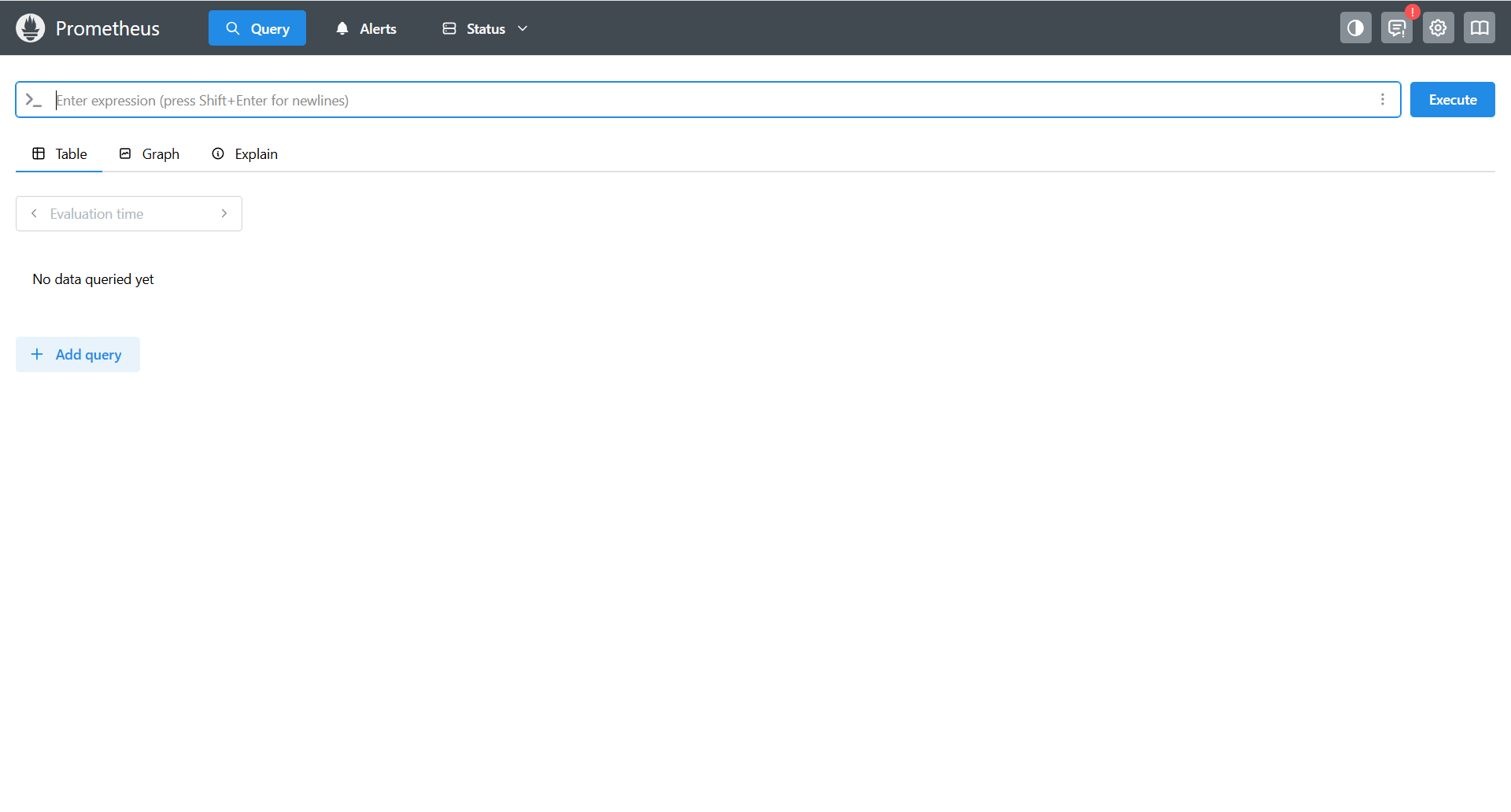 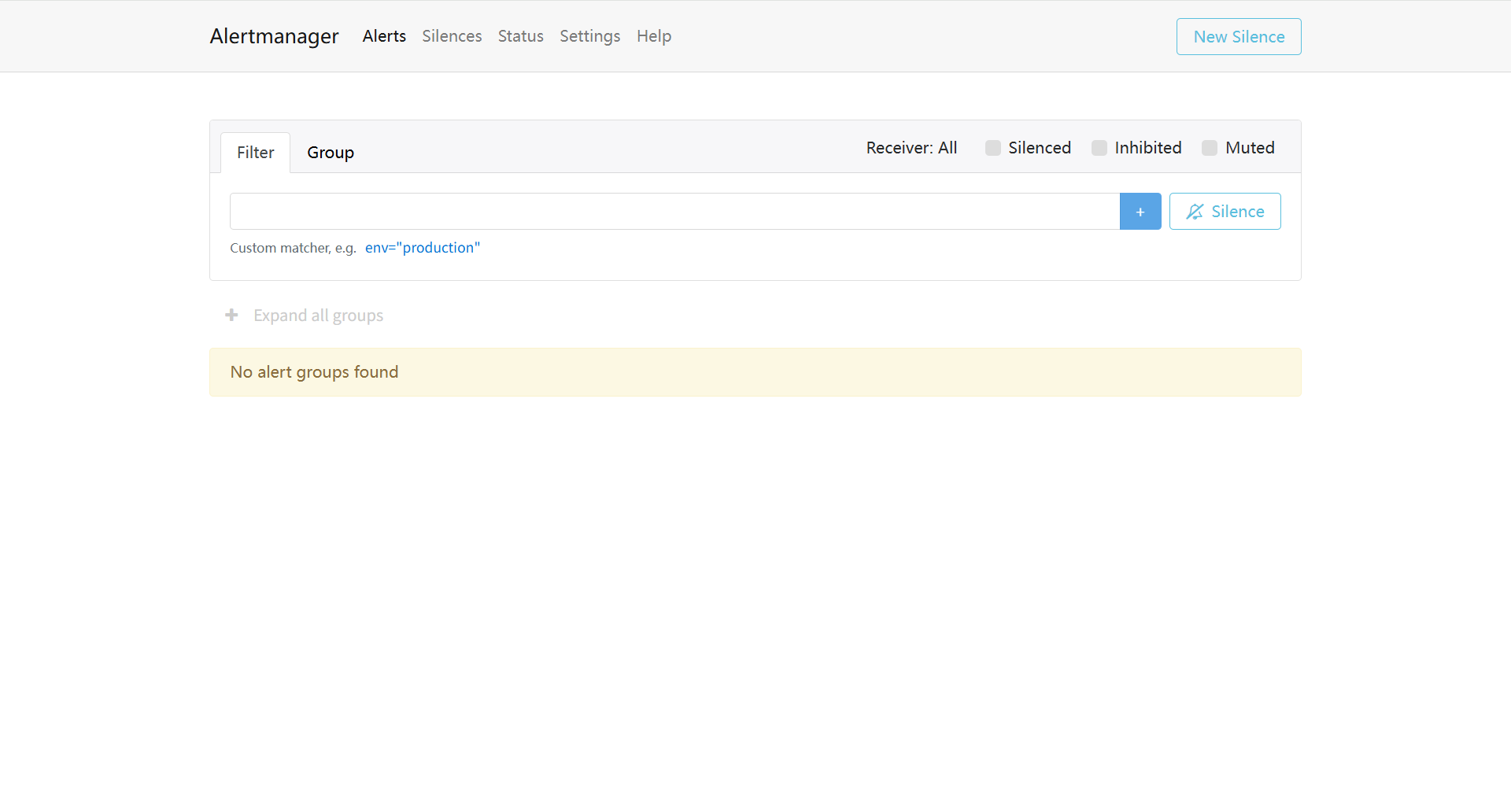 端到端测试通过: 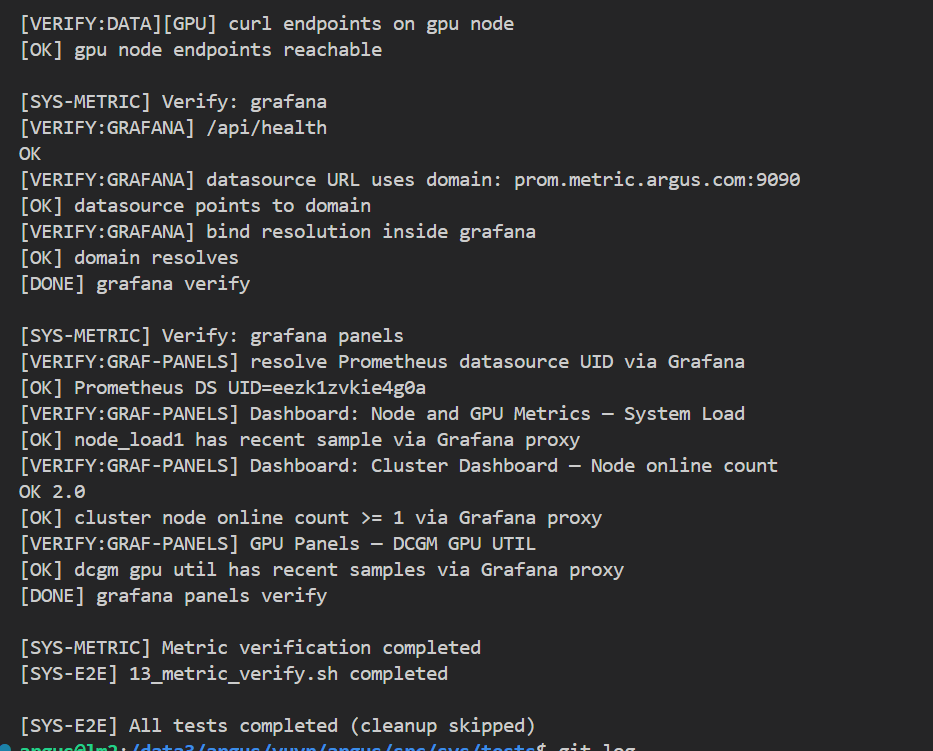 Co-authored-by: sundapeng.sdp <sundapeng@hashdata.cn> Reviewed-on: #35 Reviewed-by: xuxt <xuxt@zgclab.edu.cn> Reviewed-by: sundapeng <sundp@mail.zgclab.edu.cn> Reviewed-by: huhy <husteryezi@163.com>
344 lines
9.5 KiB
Bash
Executable File
344 lines
9.5 KiB
Bash
Executable File
#!/bin/bash
|
||
|
||
set -e
|
||
|
||
# 颜色定义
|
||
RED='\033[0;31m'
|
||
GREEN='\033[0;32m'
|
||
YELLOW='\033[1;33m'
|
||
BLUE='\033[0;34m'
|
||
NC='\033[0m' # No Color
|
||
|
||
# 日志函数
|
||
log_info() {
|
||
echo -e "${BLUE}[INFO]${NC} $1"
|
||
}
|
||
|
||
log_success() {
|
||
echo -e "${GREEN}[SUCCESS]${NC} $1"
|
||
}
|
||
|
||
log_warning() {
|
||
echo -e "${YELLOW}[WARNING]${NC} $1"
|
||
}
|
||
|
||
log_error() {
|
||
echo -e "${RED}[ERROR]${NC} $1"
|
||
}
|
||
|
||
# 更新安装记录
|
||
update_install_record() {
|
||
local pid="$1"
|
||
# 使用传入的安装目录参数,如果没有则使用默认值
|
||
local install_base_dir="${2:-/opt/argus-metric/current}"
|
||
local install_record="$install_base_dir/.install_record"
|
||
|
||
# 如果安装记录文件不存在,说明是首次安装,由主安装脚本统一创建
|
||
if [[ ! -f "$install_record" ]]; then
|
||
log_info "安装记录文件不存在,将由主安装脚本创建"
|
||
return 0
|
||
fi
|
||
|
||
# 如果文件存在,说明是重启场景,只更新 PID 字段
|
||
if command -v jq &> /dev/null; then
|
||
# 读取当前 PID
|
||
local current_pid=$(jq -r '.components."node-exporter".pid // ""' "$install_record" 2>/dev/null)
|
||
|
||
if [[ -z "$current_pid" ]]; then
|
||
log_warning "无法读取当前 PID,跳过更新"
|
||
return 1
|
||
fi
|
||
|
||
# 使用 jq 只更新 pid 字段,保持字符串类型,保留其他字段
|
||
jq --arg new_pid "$pid" '.components."node-exporter".pid = $new_pid' "$install_record" > "$install_record.tmp" && mv "$install_record.tmp" "$install_record"
|
||
log_info "PID 已更新: $current_pid -> $pid"
|
||
else
|
||
log_warning "jq 命令不可用,无法更新安装记录文件"
|
||
fi
|
||
}
|
||
|
||
# 显示帮助信息
|
||
show_help() {
|
||
echo "Node Exporter 安装脚本"
|
||
echo
|
||
echo "用法: $0 [选项]"
|
||
echo
|
||
echo "选项:"
|
||
echo " --help 显示此帮助信息"
|
||
echo
|
||
echo "示例:"
|
||
echo " $0 # 安装 Node Exporter"
|
||
echo
|
||
}
|
||
|
||
# 解析命令行参数
|
||
INSTALL_DIR=""
|
||
for arg in "$@"; do
|
||
case $arg in
|
||
--help|-h)
|
||
show_help
|
||
exit 0
|
||
;;
|
||
*)
|
||
# 如果参数不是以--开头,则认为是安装目录
|
||
if [[ ! "$arg" =~ ^-- ]]; then
|
||
INSTALL_DIR="$arg"
|
||
else
|
||
log_error "未知参数: $arg"
|
||
show_help
|
||
exit 1
|
||
fi
|
||
;;
|
||
esac
|
||
done
|
||
|
||
# 检查是否为 root 用户
|
||
check_root() {
|
||
if [[ $EUID -ne 0 ]]; then
|
||
log_error "此脚本需要 root 权限运行"
|
||
log_info "请使用: sudo $0"
|
||
exit 1
|
||
fi
|
||
}
|
||
|
||
# 检查系统要求
|
||
check_system() {
|
||
log_info "检查系统要求..."
|
||
|
||
# 检查操作系统
|
||
if [[ ! -f /etc/os-release ]]; then
|
||
log_error "无法检测操作系统版本"
|
||
exit 1
|
||
fi
|
||
|
||
source /etc/os-release
|
||
log_info "检测到操作系统: $NAME $VERSION"
|
||
|
||
# 检查是否为 Linux 系统
|
||
if [[ "$ID" != "ubuntu" && "$ID" != "debian" && "$ID" != "centos" && "$ID" != "rhel" && "$ID" != "fedora" ]]; then
|
||
log_warning "此脚本主要针对常见 Linux 发行版,其他系统可能需要调整"
|
||
fi
|
||
|
||
# 检查系统架构
|
||
local arch=$(uname -m)
|
||
log_info "系统架构: $arch"
|
||
|
||
if [[ "$arch" != "x86_64" && "$arch" != "amd64" ]]; then
|
||
log_warning "当前架构为 $arch,node_exporter 主要支持 x86_64/amd64"
|
||
fi
|
||
}
|
||
|
||
stop_existing_service() {
|
||
log_info "检查并停止可能运行的 Node Exporter 服务..."
|
||
|
||
# 当前脚本 PID,防止误杀
|
||
SELF_PID=$$
|
||
|
||
# 1. 停止 systemd 服务(如果存在)
|
||
if systemctl list-units --full -all | grep -q "node_exporter.service"; then
|
||
log_info "检测到 systemd 服务 node_exporter,正在停止..."
|
||
systemctl stop node_exporter || true
|
||
systemctl disable node_exporter || true
|
||
fi
|
||
|
||
# 2. 清理可能存在的 PID 文件
|
||
for pid_file in /var/run/node-exporter.pid /var/run/node_exporter.pid /tmp/node_exporter.pid; do
|
||
if [[ -f "$pid_file" ]]; then
|
||
local pid=$(cat "$pid_file")
|
||
if kill -0 "$pid" 2>/dev/null; then
|
||
log_info "发现 Node Exporter (PID: $pid),正在停止..."
|
||
kill "$pid"
|
||
sleep 2
|
||
kill -0 "$pid" 2>/dev/null && kill -9 "$pid"
|
||
fi
|
||
rm -f "$pid_file"
|
||
fi
|
||
done
|
||
|
||
# 3. 用 pgrep 查找进程,排除当前脚本
|
||
local pids=$(pgrep -f "node_exporter|node-exporter|/usr/local/bin/node-exporter" | grep -vw "$SELF_PID" || true)
|
||
if [[ -n "$pids" ]]; then
|
||
log_info "发现 Node Exporter 进程 (PID: $pids),正在停止..."
|
||
for pid in $pids; do
|
||
if kill -0 "$pid" 2>/dev/null; then
|
||
kill "$pid" 2>/dev/null || true
|
||
sleep 1
|
||
kill -0 "$pid" 2>/dev/null && kill -9 "$pid" 2>/dev/null || true
|
||
fi
|
||
done
|
||
fi
|
||
|
||
# 4. 兜底:检查是否有进程占用 9100 端口
|
||
local listen_pids=$(lsof -ti:9100 2>/dev/null || true)
|
||
if [[ -n "$listen_pids" ]]; then
|
||
log_warning "发现占用 9100 端口的进程 (PID: $listen_pids),强制终止..."
|
||
for pid in $listen_pids; do
|
||
kill -9 "$pid" 2>/dev/null || true
|
||
done
|
||
sleep 1
|
||
fi
|
||
|
||
# 5. 最终验证
|
||
if netstat -tuln 2>/dev/null | grep -q ":9100 "; then
|
||
log_error "端口 9100 仍被占用,请手动检查"
|
||
return 1
|
||
else
|
||
log_success "旧的 Node Exporter 已完全停止"
|
||
fi
|
||
}
|
||
|
||
|
||
# 安装 Node Exporter 二进制文件
|
||
install_node_exporter() {
|
||
log_info "安装 Node Exporter..."
|
||
|
||
local binary_file="bin/node_exporter"
|
||
local install_dir="/usr/local/bin"
|
||
|
||
if [[ ! -f "$binary_file" ]]; then
|
||
log_error "找不到 Node Exporter 二进制文件: $binary_file"
|
||
exit 1
|
||
fi
|
||
|
||
# 停止可能运行的服务
|
||
stop_existing_service
|
||
|
||
# 复制二进制文件并重命名为统一格式
|
||
cp "$binary_file" "$install_dir/node-exporter"
|
||
chmod +x "$install_dir/node-exporter"
|
||
|
||
log_success "Node Exporter 二进制文件安装完成"
|
||
}
|
||
|
||
# 创建用户和组
|
||
create_user() {
|
||
log_info "创建 node_exporter 用户..."
|
||
|
||
# 检查用户是否已存在
|
||
if id "node_exporter" &>/dev/null; then
|
||
log_info "用户 node_exporter 已存在"
|
||
else
|
||
useradd --no-create-home --shell /bin/false node_exporter
|
||
log_success "用户 node_exporter 创建完成"
|
||
fi
|
||
}
|
||
|
||
# 安装配置文件
|
||
install_config() {
|
||
log_info "安装配置文件..."
|
||
|
||
local config_dir="/etc/node_exporter"
|
||
|
||
# 创建配置目录
|
||
mkdir -p "$config_dir"
|
||
|
||
# 创建文本文件收集器目录
|
||
mkdir -p "/var/lib/node_exporter/textfile_collector"
|
||
chown node_exporter:node_exporter "/var/lib/node_exporter/textfile_collector"
|
||
}
|
||
|
||
# 启动 Node Exporter 服务
|
||
start_node_exporter() {
|
||
log_info "启动 Node Exporter 服务..."
|
||
|
||
local binary_path="/usr/local/bin/node-exporter"
|
||
local log_file="/var/log/node-exporter.log"
|
||
local pid_file="/var/run/node-exporter.pid"
|
||
|
||
# 检查服务是否已经在运行
|
||
if [[ -f "$pid_file" ]]; then
|
||
local pid=$(cat "$pid_file")
|
||
if kill -0 "$pid" 2>/dev/null; then
|
||
log_info "Node Exporter 服务已在运行 (PID: $pid)"
|
||
return 0
|
||
else
|
||
log_warning "发现过期的 PID 文件,正在清理..."
|
||
rm -f "$pid_file"
|
||
fi
|
||
fi
|
||
|
||
# 检查端口是否被占用
|
||
if netstat -tuln 2>/dev/null | grep -q ":9100 "; then
|
||
log_warning "端口 9100 已被占用,请检查是否有其他服务在运行"
|
||
return 1
|
||
fi
|
||
|
||
# 启动服务
|
||
log_info "正在启动 Node Exporter..."
|
||
nohup "$binary_path" --web.listen-address=:9100 > "$log_file" 2>&1 &
|
||
local pid=$!
|
||
|
||
# 保存 PID
|
||
echo "$pid" > "$pid_file"
|
||
|
||
# 等待服务启动
|
||
sleep 2
|
||
|
||
# 检查服务是否成功启动
|
||
if kill -0 "$pid" 2>/dev/null; then
|
||
log_success "Node Exporter 服务启动成功 (PID: $pid)"
|
||
log_info "日志文件: $log_file"
|
||
log_info "PID 文件: $pid_file"
|
||
|
||
# 更新安装记录
|
||
update_install_record "$pid" "$INSTALL_DIR"
|
||
else
|
||
log_error "Node Exporter 服务启动失败"
|
||
rm -f "$pid_file"
|
||
return 1
|
||
fi
|
||
}
|
||
|
||
|
||
|
||
# 显示安装信息
|
||
show_install_info() {
|
||
log_success "Node Exporter 安装完成!"
|
||
echo
|
||
echo "安装信息:"
|
||
echo " 二进制文件: /usr/local/bin/node-exporter"
|
||
echo " 运行用户: node_exporter"
|
||
echo " 配置目录: /etc/node_exporter/"
|
||
echo " 默认端口: 9100"
|
||
echo
|
||
echo "使用方法:"
|
||
echo " 手动启动: /usr/local/bin/node-exporter --web.listen-address=:9100"
|
||
echo " 后台启动: nohup /usr/local/bin/node-exporter --web.listen-address=:9100 &"
|
||
echo
|
||
echo "测试连接:"
|
||
echo " curl http://localhost:9100/metrics"
|
||
echo " curl http://localhost:9100"
|
||
echo
|
||
echo "Prometheus 配置示例:"
|
||
echo " - job_name: 'node_exporter'"
|
||
echo " static_configs:"
|
||
echo " - targets: ['localhost:9100']"
|
||
echo
|
||
}
|
||
|
||
# 主函数
|
||
main() {
|
||
echo "=========================================="
|
||
echo " Node Exporter 安装脚本 v1.0"
|
||
echo "=========================================="
|
||
echo
|
||
|
||
check_root
|
||
check_system
|
||
|
||
log_info "开始安装 Node Exporter..."
|
||
|
||
install_node_exporter
|
||
create_user
|
||
install_config
|
||
start_node_exporter
|
||
|
||
show_install_info
|
||
}
|
||
|
||
# 脚本入口
|
||
if [[ "${BASH_SOURCE[0]}" == "${0}" ]]; then
|
||
main "$@"
|
||
fi
|
||
|